Friday, October 13, 2006

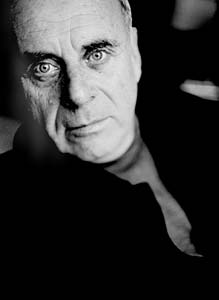
Diego Ceja and Mighty Imaging

We had an interesting situation at Mighty Imaging that we would like to share with you all. Diego Ceja, one of our gallery photographers was preparing for a show that was coming up this weekend. A wastepaper full of failed inkjets and trouble with his trusty printer had driven him to decide to print on the LightJet. He came in with about 20 images and we printed them out overnight.


Diego walked in to the office and we laid the prints out. He stared at them. Diego is a very, very picky photographer and only accepts excellence... in his images and his prints. "Can I expect this every time I bring images in," he asked. We weren't sure if he was happy or not, but we felt they were great images and we had made them to the best of our abilities.

"Yes", Stephanie said. Diego turned and walked out. We were a little shocked. He returned in a few minutes with more disks. "Print all of these, please.. and can I have them for the show tomorrow?"

We did, and he picked them up this morning on the way to the show. He was thrilled.

Don caught up with him as he was ending up the first day of the show and got this quick interview.

We asked him how the Lightjets compare to the Inkjets that he normally does?

"Compared to the inkjet... wow... man. the metallic paper and the Flex paper are just awesome. It looks like IlfoChrome, and I have always loved IlfoChrome. And at the price they charge, wow... that is what I will continue to do. I will be moving over to the Flex with everything but the toned prints that I work and rework on the InkJet."

For his very large images, 40x60 and longer, he will continue with the deckle edge rag prints that he prints on his inkjet. "I have the profiles down and the watercolor paper is what the images are designed for. And adding the ragged edge makes it fit what my clients want."

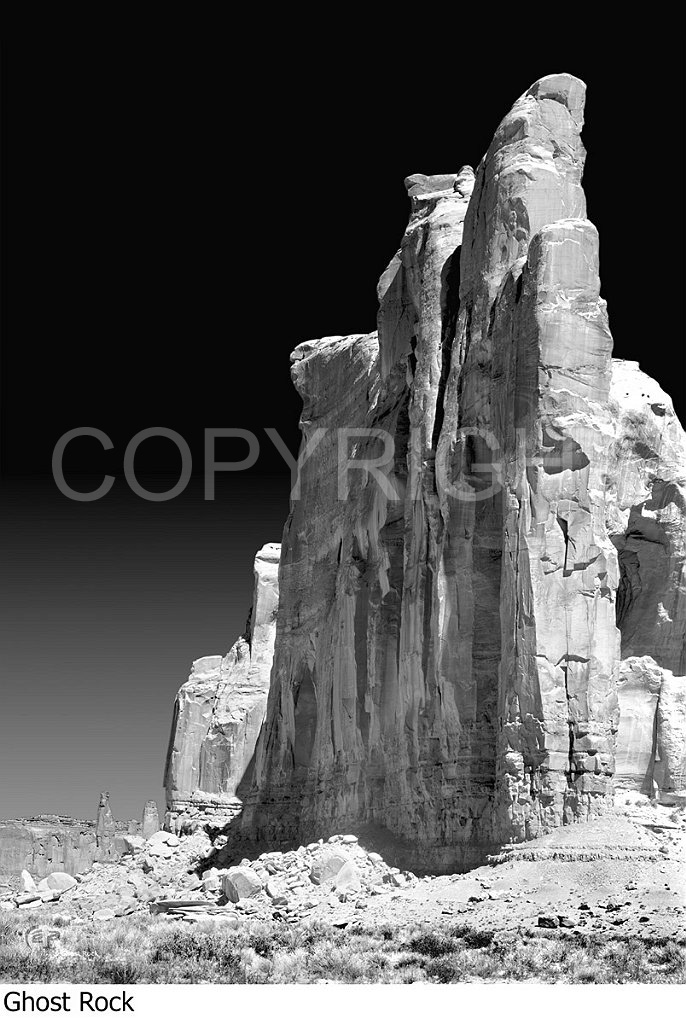
Diego Ceja is a fine art lanscape photographer. He stives for a striking, clean and simple look at the complexity of the natural world. "There is nothing in the image that isn't there by design. I am working the image to fit what I want to say and sometimes I come back with no exposures. If the image isn't working, I don't bother to shoot it."

Diego shoots a large format, 4x5 camera that he lugs into strange and alluring places. "It's heavy and windy days are always a problem," he laughs, "but the image is so precise... and I love it."

About working with Mighty Imaging he says, "They have bcome my printer now for all my color work. Reasonable prices and customer service that is heroic. Stephanie really takes good care of all the customers, going the extra mile to make sure things go right."

See more of Diego's work in our galleries. We think you will like them as much as we do.

ProtectMyPhotos - Digital Photo Backup


This is a very nice, handy tool. Prices are very good and the protection is comforting.
ProtectMyPhotos - Digital Photo Backup: "ProtectMyPhotos shields your digital photos from hard drive crashes, viruses, file corruption, destroyed backups, fire, flood, theft, and more. Eliminate the need for CD backups, and rest easy knowing that all of your treasured photos are truly safe!"
More at "It's What I Do"...

Workspace inspiration

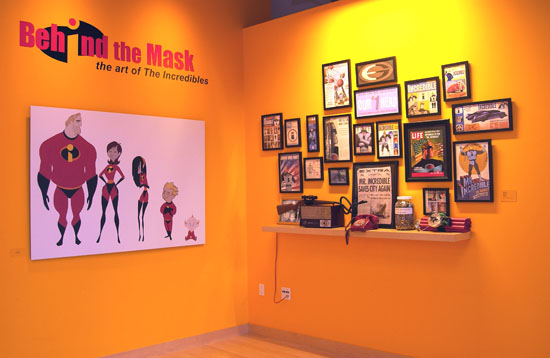
Even if you are looking at the clock right now calculating how many seconds until you can start your weekend, this compilation of 10 seeeeeriously cool workplaces put together by The Chief Happiness Officer may inspire you to remodel your office so that you'll never want to leave.

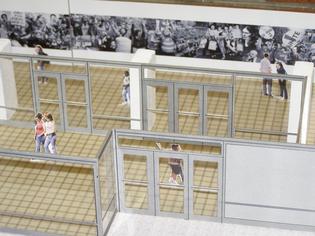
What I noticed through out most of the offices featured is their use of large prints in their space to bring more color and energy in to the rooms as well as illustrate past and future projects for that company. I also particularly liked Pixar's idea to use cottages with addresses instead of cubicles with name plates.

Thursday, October 12, 2006

How to Create Professional HDR Images


Now this is a pretty cool technique that should give some interesting effects> And doing these things in hi-res means you can make the prints big. Really big.
Backing Winds: How to Create Professional HDR Images: "I've come to believe that there are few things in the digital photography world that Photoshop can't do better than most other programs. HDR turns out to be one of them. Photoshop CS2 has a little-known (it seems) built-in HDR assembler that, while lacking the 'make my photo look like an acid-trip' tone-mapping features of Photomatix, is capable of creating extremely realistic or extremely surreal HDR images."

The camera is art


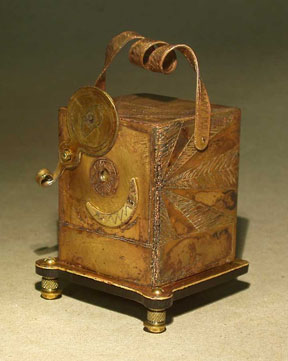
This beautiful pinhole camera caught my eye today. The camera itself is a piece of art. Judith Hoffman of San Mateo, CA built it. It is gorgeous design even if the handle is 'just for looks'.

A brass pinhole camera. 3.5 inches high, 2.25 inches wide. In the tradition of camera manufacturing, the handle is useless. If you lift the camera with it, the bottom falls off and your film is exposed. It's a camera to photograph memories. On the base the instructions read: 1. Fix memory in your mind. 2. Point Memocam toward memory. 3. Expose film. You can see an earlier stage of the camera and photos taken by it here. More information on my blog.


Wednesday, October 11, 2006

How Big Can I Print This Photo? — A Simple Answer, Once and for All

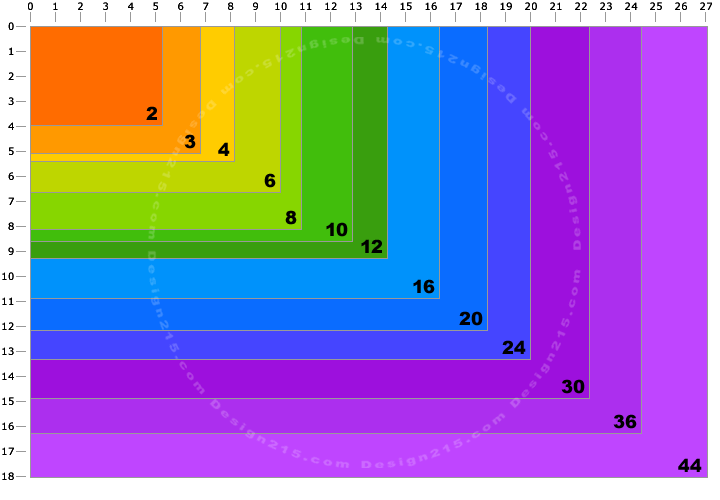
Well, sort of. I saw this post on Photojojo the other day that references a pretty easy to read useful chart by Design 215. However, Design 215 uses a inkjet as their primary printer. Inkjet machines have a much lower tolerance for file degradation than the LightJet. The internal rip in our machine's software does such an amazing job that we have printed files as low as 100 ppi (and lower) with success. Their Megapixels vs Maximum Print Size Chart only goes to 150 ppi, but it gives you a good idea of what is possible for your file. It is a great quick reference if in doubt.

Monday, October 09, 2006

Have You Seen the Talent...

...in our gallery? Amazing photographs from some fantastic photographers. Come on over, take a look and enjoy.

Ansel Adams hits the road

I was very excited when I read this in Sunday's Arizona Republic. This is a rare and unique opportunity for photography lovers.

Phoenix Art Museum to show prized UA photos
Photography buffs will get to see more masterworks of the medium at the Phoenix Art Museum thanks to an innovative partnership with the University of Arizona's Center for Creative Photography.

The collaboration, announced last week, includes a year-round exhibition program in Phoenix drawn from the world-class photography collection in Tucson. Co-founded by Ansel Adams in 1975 to archive all his negatives, work prints and notes, the UA center is now home to 80,000 original works by Richard Avedon, Edward Weston Harry Callahan and other artists.

The first show is features Ansel Adams work of the 1930's and opens on November 11th at the Phoenix Art Museum. They have added a gallery dedicated to photography as part of their recent $41 million expansion. Be sure to mark you calendar.

Friday, October 06, 2006

Vector graphics in a raster world

While most of the images that we print are prepared in raster programs like Photoshop, the LightJet also does an amazing job on files prepared in Illustrator and Quark.

We recently printed a job for Wendell Burnette Architects that they had prepared in Illustrator. They had 30x30's printed and mounted on gatorboard for a presentation to a potential client. Everyone was blown away by the quality. The colors were vibrant and all of the graphics and text were sharp with smooth lines. It was certainly a true representation of their talent.

For the best results from files prepared in vector based programs save them as an eps. A flattened tiff will work great too.

A Good, If Rather Simplistic Article on Protecting Your Digital Images

Here at Mighty Imaging we use several ways to protect our photographers images while they are online in the gallery. First, we watermark them visually. This is a simple, effective way to protect the art. We try to make it unobtrusive as possible. Secondly, we use the PHOTOtool to host the galleries. The PHOTOtool uses several ways to prevent easily saving the images, but in the end some technical folks can hack into the browser and pull them from cache. However, by doing that they are admitting to taking the images illegally.
10/3/06 Protecting your digital images from theft - CNET Community Newsletter: Q&A Forums: "There are a number of ways to digitally sign the artwork you produce and numerous software apps that will allow you to do this.

First, you could watermark your image, this is where you put a mark somewhere on the image (usually in the background), so that if anyone tries to pinch it from your site, you'll be able to prove that it did originate from you. To watermark something, you could do anything that will make your work obviously yours, and you can have it either obvious or hidden."

Thursday, October 05, 2006

I got a charge out ot this article.

(OK, I am so sorry for that headline ;-) Seriously, here are some interesting ideas for taking care of your batteries.
Getting Great Battery Life: "This isn't about how to get a lot of shots per charge. That's easy: use your LCD as little as possible and spend as little time as possible in the menus or with the meter on. Turn the LCD review OFF while shooting. Easy.

This is how to get years of great service from expensive batteries. Some people always seem to have problems while others have them last for years."

Wednesday, October 04, 2006

How Do You Use Large Images?

Recently I had the opportunity to talk to three photographers about using oversized images. I promised to keep some of their specifics close to the vest, but I do have permission to share these ideas with you all.

Steve is a portrait photographer in Utah. His work is very high-end and his clientele is definitely in the wealthier strata. Steve says that he sells very few large images, most of his clients prefer medium sized prints and book presentations. However he uses the big images in his studio to drive interest. In the waiting room there are 6 48x72 images that are imposing to say the least. He has thirty of the large images and they are easy to change out so he makes sure that there is a constant rotation of images in the waiting area. It would be amazing if anyone would see the same set of images as they visited his studio.

Lawrence shoots architecture in the central valley of CA. He travels over large areas to do a wide range of work from high-dollar real estate shots to tenant improvement shots for brochures. His work is nearly always a rush, and his clients are nearly always busy. He uses the large prints (16x20 and 20x24) as gifts for the clients he shoots for. With 16x20's running under $16, Lawrence can make quite an impression on a client for very little cost. He likes keeping clients better than finding them.

Brian shoots model composites, portraits and actor headshots in Sacramento. He is just starting out in the business and wants to grow as fast as possible. He uses large images 30x40 and over to show at some boutiques and restaurants in the area. The work is dramatic and colorful and the venues welcome the work for their walls. He reports that this strategy is working better than he thought it would, driving work to him weekly.

Big images have an impact which can produce very strong feelings and responses in the viewer. Used with some ingenuity, they can greatly increase your bottom line.

How do you use large images? Let us know if you get a minute.

Tuesday, October 03, 2006

Photographers Resource?

Look, we love the new technologies as much as anyone, but this Seems a little crazy. If professional photographers are being hired on sites like this, chances are it isnt by the best art directors ou there.
Advertising Photographers at Respond: "Since 1999, 2.5 million members have used Respond to find leading local professionals. Respond is a vibrant community of buyers and sellers that believes in a quality consumer experience."

Wednesday, September 27, 2006

Large Photographs Celebrate Labor Leaders

New Haven Independent: Labor Heroes Live On At Stetson: "Indeed, in a letter next to the proposal, Madalengoitia wrote, “I look to represent the ethnicity and culture of the people who live in the area, as well as include prominent figures, local landscape, and the history of the area.”
Acting Branch Manager and Youth Librarian Diane Brown-Petteway drew attention to another piece, a photographic mural by Susan Bowlen. The mural is a skillful compilation of photographs of the labor movement from the 1960s and '70s."

Simplicity


Sometimes we find ourselves in a creative slump. And we wonder what could we shoot that would be interesting. Well, this photographer shot leaves... on black background. Stunning. Imagine them big (we love big images). Imagine them really big. On metallic paper. Stunning work. (Website has that unfortunate scrolling nav thing, but after a while you can start to work with it). Check out these stunning images.

Stephen Farley's Favorite Places Project


Tucson designer and visual artist Stephen Farley has created quite an interesting display with huge black and white images on tiles. We love big images, and this is a very cool project.
Stephen Farley's Favorite Places Project: "Farley is committed to the sharing of personal stories among the broader community, and has consequently been involved in teaching art, design and computer skills to young people of diverse backgrounds while collaboratively producing a series of publications exploring the social and personal histories of local neighborhoods. In 1999 he founded a nonprofit called Voices: Community Stories Past & Present, which runs afterschool programs which employ at-risk youth to interview Tucson residents and publish books and magazines of community stories and photographs."

Tuesday, September 26, 2006

Honorable mention

One of our favorite clients that we don't get to talk about much is Dino Tonn. He does beautiful interior and exterior architectural photography for some of the leading home builders, developers, architects, interior designers and public relations firms. Since his work is directly commissioned by these companies on an per project bases we are unable to feature him in our for sale photo gallery. We do have the pleasure of printing any enlargements needed for his projects. If you are ever looking for a photographer to make your home or business look like it is ready for the cover of Architectural Digest give Dino a call.

Monday, September 25, 2006

Worldwide Pinhole Photography Day

I found out about this about 6 months too late to participate this year. Looking at their gallery of images made me want to dust off my old pinhole camera for next April. Definitely worth a look. Of course, any of those images would look great as a big print.

The last Worldwide Pinhole Photography Day was celebrated around the planet on April 30, 2006. Visit the gallery to view the pinhole photographs taken on that day from participants around the world! Worldwide Pinhole Photography Day - home

Loose 10 lbs without diet pills

If CBS can do it for Katie Couric, why can't the rest of us get a little appearance boost?
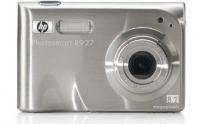
They say cameras add ten pounds, but HP digital cameras can help reverse that effect. The slimming feature, available on select HP digital camera models, is a subtle effect that can instantly trim off pounds from the subjects in your photos! trumpets HP about the seven models that offer the feature. Among them are the HP Photosmart R967 and the HP Photosmart R927, which Robin wrote about in this lineup of digital cameras. Cameras Tinker With Reality : Dory Devlin : Yahoo! Tech

Saturday, September 23, 2006

Architecture Saturday... Think Big

The Mighty Imaging crew loves cool architecture, and especially cool architectural photography. When we found this list of architectural photographers in Europe, we just had to share it with you.
Guido Erbring, Germany
Eduardo Hahn, Italy

Photoarch, Italy


Ying Yi, Singapore


Vassills Markos, Greece

John Mills, Australia

Harris Associates, Leeds

Floto + Warner, New York
(Yeah, it isn't Europe, but neither was the Australia guy,)


Friday, September 22, 2006

Decorating with Portraiture

What ever happened to the big 16x20 or larger framed family portrait pieces that you would see above the fireplace or behind the couch of most people's homes? You know, the ones where everyone is wearing matching outfits and smiling and happy (even the 2 year old). Now the creative photographer has moved beyond the traditional studio setting to doing environmental portraits as well. Matching outfits are still preferred. I came across this website by Ilene Olson of Natures Photography that makes some valid points about using portrait photography to decorate your home.

Any art form possesses the capacity to touch our emotions. Portrait images carry with them an additional dimension of expression that communicates how we feel about ourselves, our world, and those closest to us. Portrait subject matter and settings are limited only by imagination...children as they grow, family times or events, expressive personal statements. All are appropriate for decorative portraiture.

Key Points to Remember

- The portrait's overall color theme should blend with or complement the room's color palette.
- Keep in mind the decorative intent of the room in which you plan to display your portrait when you consider its style. This will help to set the portrait's tone and guide you in selecting appropriate clothing, accessories, and setting.
- An appropriately sized portrait is one that dominates the space in which it is hung, but does not appear to be crowding the space. Be sure to establish whether the space lends itself better to vertical or horizontal composition.
- Framing provides "the finishing touch" to fine portraiture. Select a frame that compliments the image and accents the room's furnishings, not one that distracts from the subject matter.
- Whether your portrait is an accessory or the room's focal point, placement is critical. All elements of design - color, style, composition, and size - must work together to complete the decorative statement.

So come on everyone, put on some black turtle necks and let's make a memory!

Wednesday, September 20, 2006

160 megapixels...

Holy Cow! You can only put two images on a two GIG card. And you are gonna need one of Scott's monster machines to work with it. But.... ooooh... can you imagine the possibilities.
Seitz 6x17 Digital shoots at 160 megapixels - Engadget: "When we first spotted this new cam from Seitz, our jaws hit the floor and rebounded a few times. No, it's not the highest megapixel count we've seen, but this megalith of a camera shoots at 160 megapixels to create a native 6 x 17-cm image, is packed with an ISO range from 500 to 10,000, a read-out speed of 300MB per second, and a shutter speed of 1/20,000th second. So the next question is, how are you going to store such huge image files (nearly 1 GB per uncompressed full panorama), certainly not on your off-the-shelf 16GB SDHC card, nor the upcoming 64GB CompactFlash cards -- but rather via gigabit Ethernet to Seitz's 'state-of-the-art computer system', which translates to a decked out Mac mini."

When it comes to marketing, don't be color blind

I think we all know by now that color can effect your mood. Which can also effect your buying decisions. The people at Color Matters have accumulated massive amounts of data concerning how we perceive color and its impact on our daily lives. Take advantage of their research to help you improve the power of recognition and persuasion in your promotional signage.

1. Research conducted by the secretariat of the Seoul International Color Expo 2004 documented the following relationships between color and marketing:

92.6 percent said that they put most importance on visual factors when purchasing products. Only 5.6 percent said that the physical feel via the sense of touch was most important. Hearing and smell each drew 0.9 percent.

When asked to approximate the importance of color when buying products, 84.7 percent of the total respondents think that color accounts for more than half among the various factors important for choosing products. Source

2. Research reveals people make a subconscious judgment about a person, environment, or product within 90 seconds of initial viewing and that between 62% and 90% of that assessment is based on color alone.
Source: CCICOLOR - Institute for Color Research

3. Research by the Henley Centre suggests 73% of purchasing decisions are now made in-store. Consequently, catching the shopper's eye and conveying information effectively are critical to successful sales.

Our mission is to produce the most vibrant and colorful images possible to help you achieve your marketing goals.

Monday, September 18, 2006

Scott has been documenting some of his heroes

Follow along with Scott at Visualville.com as he gives us some personal insight to some of the greatest photographers ever. You may be intrigued by the incredible talent shown here.
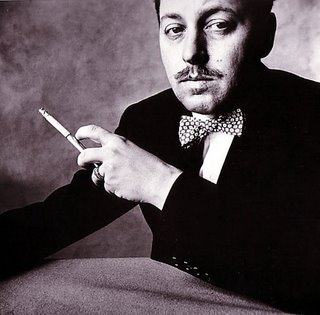
Visualville: A Photographers Resource: Irving Penn - My Heroes Cont.: "This image of a rather nattily attired gentleman with a cigarette holder is a portrait of Tennessee Williams by Irving Penn. One of my favorite authors photographed by one of my favorite photographers, it doesn't get any better that that."

Nice Interview with Timothy White


Timothy White: Action. Reaction. Motion. Emotion. - Features | ImagingInfo.com:
: "Clients pick up on the team's unspoken communication and the confidence the team exudes. White mentions being 'reactive'—as opposed to 'proactive'—several times during our discussion. It's fundamental to his shooting style, as well as his personal style. 'While I have some ideas in mind before a shoot, I walk in ready to react to the client's mood, react to a change in light, react to serendipity. Over styling doesn't interest me. I'm interested in images you can't tell if I shot 10 years ago or today.'"

Using Large Images to Build Brand

This is a great little article form "Studio Photography" on how using very large images to build an awareness campaign. Read the whole thing.
Marketing Section IV - Features | ImagingInfo.com:: "After seeing the success of these displays, we revamped the displays in several of the jewelry stores we work with. Morgan Jewelers and Schubach Jewelers have left it up to us as to what images work best. All the display images in these stores are 40x60 or larger. Prospective brides call us all the time now about these jewelry store displays. To make it a win-win situation with our vendors, we give each of them $50 to $100 gift certificates that they can give to their selected customers to redeem at our studio.

This year, we started working with a local bridal shop, a women’s clinic, and The Buckle, a popular teen clothing store. We photograph our upcoming senior reps in Buckle clothing and have a DVD slideshow playing in their front window. Clark and Rachel Martin gave us the idea of working with The Buckle and showing a DVD slideshow.

We’ve learned five display musts: (1) To stand out, you need to be out in front of your potential clients; (2) images must command the display space they take up; (3) we have to keep the images fresh by changing them two to three times a year; (4) we need a common link in all our advertising that brands us and always links the client back to us; and (5) we have to make it a win-win for our studio and our vendors."

Saturday, September 16, 2006

The Sahara... Huge, Wide, Beautiful


Declan McCullagh photographs the Sahara

Micheal Palin takes us inside the Sahara with some unusual photographs and insights.

In "River of Sand," photographer Jean-Luc Manaud and writer Martine Ravache capture the beauty and mystery of the Niger River as it wanders through an otherwise dry and lonely place.

Our PhotoGallery features select photographs from "River of Sand," a book of Mr. Manaud's photographs of life on the Niger River.

Photos of Morocco. Fascinating.

The giant sand dunes at Merzouga herald the start of the Sahara Desert. Expatriate American author Paul Bowles wrote of the desert ...
"... there is a hushed quality in the air, as if the quiet were a constant force which,
resenting the intrusion of sound, minimises and disperses it straightaway".

Large photos of the desert, especially one as expansive and exotic as the Sahara, can give a room a sense of space and simplicity.

Friday, September 15, 2006

Mashing Up' on your own site (at Don's)

Here's a cool little movie that will show you how to mash up FilmLoop and your website / blog.
it's what I do...: 'Mashing Up' on your own site: "I have created a little movie that shows you how easy it is to create a FilmLoop,, and then how easy it is to post to your site, blog or whatever. This little thing has been very, very successful for me. I encourage you to add it to your arsenal. The PHOTOtool, FilmLoop, Slide and Flickr... and a few others that I will share later, keep my work out there."

More than just a pretty picture

I have been reading a lot lately about a broader usage of photography in home decor. Whether it is because it is an affordable option to decorate your house for a quicker resale in a slowing market or because it just looks so darn good on the wall. This article expresses exactly what I am talking about.
More than just a pretty picture - photography tapped as home-decorating element: It's time to stop stuffing snapshots into an old shoe box. Same for grouping those 5-by-7 class pictures in standard-issue gold frames on the piano top. Photography has come into its own as a home-decorating element. Decorating with photographs is artistic and often more affordable than other more traditional art forms.

Lorna Fenenbock, who owns The Art Barn in Ossining, has worked with many customers who want something more powerful than a memento for the mantel.

They might create a collage or a shadow box. Sometimes they just want an unusual matting or a particularly eye-catching frame.

They go on to say...

Joseph Squillante of Mount Vernon, a photographer since 1972, agrees. "I would certainly say photography is in a very good place today," he says. "Photography is still affordable as a fine-art medium."

I think I know where you can find some great affordable fine-art photography to fit with your decor.


Wednesday, September 13, 2006

We love big images... and big lenses too!

... well of course it is only for Hasselblads, but come on, you want one don't you?
Carl Zeiss creates telephoto lens with 1700mm focal length - Engadget: "it sounds like it was custom-built for a client who wanted to shoot wildlife at a distance on the very high-end Hasselblad 203 FE using 6 x 6 medium format film -- in other words, she/he has some serious cash to spend. No word on if it will be ever made available to the public, but it sounds like Carl Zeiss is open to ideas if you've got a briefcase full of euros to pay for the project, not to mention the means to get it from wherever you are to wherever you actually want to use it without scaring every living thing in your path."

Article: "To 'Res' or not to 'Res'


Certainly most of us have decided at one point or another that we wanted a big print. Should we 'res it up' in Photoshop or another image manipulations software, or let the lab do it?

The answer may depend on the lab, the processing equipment or other considerations, but labs who use a RIP software sure can save you a lot of time. Taking a 24MB image up to 400MB can take quite a while.

Mighty Imaging shows a side by side comparison of an image that was res'd up in Fractals and the file as it was RIP'd on their Lightjet.

I use a RIP on my Epson 7600, and we have tested it by printing the same image three ways: res'd in Photoshop, res'd in Fractals and left at original capture and then RIP'd to the output size. The RIP'd image actually ended up as sharp, and with a bit more pleasant contrast than the other 2 ways. (Yes, we did the Photoshop at the 10% increment method... time intensive, but it does the best job.)
Mighty Imaging: Large Format Printing for Photographers, Corporate and Design Applications: "Some of our photographers prefer to 'res up' their images in Photoshop or Fractals. This results in a huge file, and that is certainly OK with us, but there may be another, simpler way. By using our RIP processor Mighty Imaging can take your image from the capture size to mural size with very little difference in the final image from the 'res'd up' file. This saves file size, allows for faster electronic transfer and saves the photographer lots of time. In addition, the photographer has to only keep one file at the original capture size."

Tuesday, September 12, 2006

Diego Ceja: Landscapes


Diego Ceja is one of our new photographers on Mighty Imaging's gallery site. Take a look at Diego's work. Stunning landscapes, ethereal spaces in nature, and a kind of 'fragmented' view of details.
"He holds a degree in Earth and Planetary Science from Washington University in St. Louis. It was while doing research on the salt domes in Utah that he became aware of the spiritual beauty of the desert. He was a wedding photographer and then a product and commercial photographer but returned to his calling as a fine art landscape photographer."

Mighty Artist receives national recognition

Judith Faust's image Moose Lodge Ladie's Room (scene on the right) was recently accepted in to a national competition organized by the Texas Photographic Society. The show opened at their Dougherty Art Center in Austin, Texas on September 1st. Congratulations Judith!

For more information on their events:
Texas Photographic Society Calendar

To purchase or view any of Judith's fantastic work go here.

Sunday, September 10, 2006

Risking death...

or at least a severe cold... photographers will do what it takes to make images this stunning. You absolutely must check Chromasia's Photo Blog as often as possible.
c h r o m a s i a / photoblog / wyre wreck #9
We checked the tide times on Paul's web-enabled phone, and confirmed that high tide was 11.36pm. So, almost high tide, but we were getting our feet wet. We decided to climb aboard one of the boats I'd photographed before – wyre wreck #5 – and wait until the tide receded. We took a few shots and noticed that the tide was still rising – it was now about a foot deep around the boat. We pondered for a while, and it got deeper. At this point it was beginning to look as though we were stuck on the boat for a while.

Friday, September 08, 2006

Interview: Ralph Gibson


One of he icons of fine art photography, Ralph Gibson shares his insight and vision. Well worth a read.
Ralph Gibson: "Chris/Larry: Let us begin with a question about your vision. Your work has an extraordinary balance in it, a certain kind of energy to it. Can you tell us about your state of mind when you are shooting?

Ralph: Well, for the longest time I have known that photography for me is not directly linked to an external event. For example if I say that tomorrow there’s going to be an execution at 12 o’clock. You get there, we can all win a Pulitzer prize. If you get there at 12:01 you miss your shot, as it were. So, what I wanted to do, is be able to make my perception of anything become the subject itself. And for this reason I’ve attempted to take pictures of simple things, you know, like a cardboard box, or a chair, or a spoon. Very humble objects. I’m not terribly drawn towards the epic event. I’d like to make something totally insignificant into an object of importance, by virtue of how photography works."

Thursday, September 07, 2006

Get a bigger room without using a sledgehammer


I came across this article that gave some great ideas on how to decorate a small room to make it feel...well, roomier.

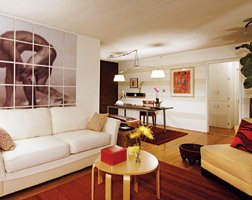
4) Cover an entire wall with a large poster, print or photograph and then pull your sofa away from the wall (see picture above). This creates the illusion of higher ceilings and allows for some breathing space.
Little Big Room - House Beautiful

Tuesday, September 05, 2006

Lovin' that Pinhole Photography


A great list of Pinhole Photography books including reviews. If you enjoy this laid-back approach to images, take a look at this fairly comprehensive listing of books you will like.
Product Listing - Books: "Included in the 'how-to' chapters are directions on how to make and use pinhole cameras, explanations on avoiding the most common mistakes, calculating exposure times, charts and formulas for optimal pinhole diameters, making and measuring pinholes, filtering, various camera designs including wide angle, 1:1, telephoto, multiple pinhole, digital pinhole, and extensive information on how to use zone plates. Includes lengthy chapters on the history of pinhole in both art and science, pinhole's renaissance from the 1960s to 2004. Many contemporary images are shown throughout the book. Includes new chapters on camera obscuras and digital pinhole. This book is a must for anyone interested in pinhole photography!"

Sunday, September 03, 2006

For Labor Day

A look at cities, the working man*, and some really cool images.
Sleepy City is photographically deconstructing the urban environment. Underground tunnels, derelict industrial sites and urban ruins are where I like to play. Discarded by society, these forgotten nooks and crannies wait quietly for the occasional urban explorer. Grab a torch and have a wander; you might be surprised how little of your city you have ever appreciated.
Here's a nice little site with some very cool black and white images. Urban photography at it's best.
I have photographed the urban environment for over twenty years. Emanating from my interest in sociology and history, I am fascinated by the ways cities are organized and by the stories the buildings and the streets tell. People are rarely seen in the photographs but their presence is certainly felt. Recently I have begun to photograph rural settings in addition to my ongoing urban photography. While these environments different from the city, I am drawn to the same graphic elements and to the stories contained therein.
I have Nitsa's book, "Streets of New York" and like it a lot. I bought a copy of it over at Cafe Press really to see the quality of the printing. I have been more impressed by LuLu for self-publishing photography books, but that is for another post.
Simply put street photography includes any photograph made anywhere in public places. Some people narrow it down to urban settings and some people think there must be people present in these kinds of photos. But the bottom line is that each street photographer will find their own meaning and approach therefore whatever definition they might arrive at will work just as well.
Then there is the wonderful work over at "Deviant Art." Pretty interesting.
THE URBAN PHOTOGRAPHY JOURNAL

The group of Deviant Art which is dedicated to the wonderful art and beauty of the city, and urban photography!
This is a very rich site of images, forums and resources. UrbanPhotos.org

Finally, enjoy the work of Gavin George. Shooting the urban landscape with lots of love for the subject.

Friday, September 01, 2006

Travel Guides: for Free

If you are planning a trip, you know, where you go somewhere and shoot images that will be printed really large at your favorite lab, you can use this cool site to download travel guides. Planning your road trip just got a little easier.

Thursday, August 31, 2006

Big 'Ol Cameras... for handholding!

No rosewood here. No gold plate, no hand rubbed finish. No attitude. Its bloodline is more Jeep than Rolls Royce. We wanted a large format 8x10 camera that could ride in the trunk with the spare tire and jack and feel comfortable. We wanted an 8x10 that could be hand held. We wanted a lot. This is it.
Take this rugged lightweight instant-ready camera with you wherever you go and you are loaded for bear -- literally!
And here's an interesting article on shooting very large cameras.
Frustrated with the d.o.f. problems of larger formats (in terms of working speed/spontaneity, not results), I've been fascinated with fixed-focus larger-format "cigar box" cameras. I purchased the 8x10 Hobo (www.bostick-sullivan.com) and it worked well (I probably wouldn't have bought it if I didn't already own the 120SW lens for 4x5). I modified the Hobo a teeny bit, adding a metal handle (w/built-in thumb-operated cable release) on the right side (after finding that gripping the camera with my right hand often flexed the film holder, causing light leaks). I also replaced the four lens board bolts with wingnuts and cut a set of lensboard-shaped gaskets (out of mat board, each maybe 1/16" thick) so that by undoing the wingnuts I can (relatively) quickly add or remove gaskets to change the optimal zone of focus from, say, 100 feet to 12 feet (yes, everything is supposed to be in focus from 4' to infinity with the 120mm/f8 lens, but of course that isn't really true; I figured it'd be nice to be able to alter the focus distance at least for infinity landscapes/cityscapes vs. closer street/people shooting). This camera made possible some shots that would have been much more difficult with conventional 8x10 cameras (e.g., handheld shooting from atop a huge ferris wheel and from a helicopter flying over downtown Chicago).

Location Scouting?

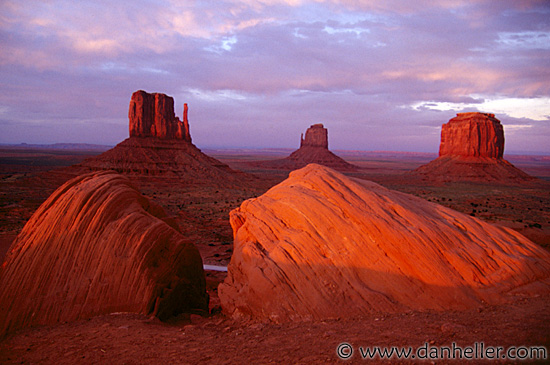
Here's a good site with some images from the great southwest parks and monuments. It could be a resource for finding your next shooting trip.

Dan Heller has a nice essay on Monument Valley.
Monument Valley is considered one of the natural wonders of the world because of the beauty of the enormous "monuments" of stone that have evolved from nature: wind and rain chip away at the land over millions of years, eroding the plateau, leaving a vast landscape of tourist opportunities. While the land belongs to the Navajo Indians, the park has been open to tourists since even before the beginning of the frozen yogurt machine. And might I add that one cannot buy higher quality frozen yogurt anywhere else in the Navajo Nation than in the majestic land that is: Monument Valley.
And here from PhotoTravel's site:
Monument Valley has magnificent scenery with huge mesas, stunning buttes, and delicate pinnacles in dramatic formations on a flat desert plain. These stark formations are the "monuments"--their red colors standing out in sharp contrast against a deep blue sky, while ever changing light and cloud shadows create new images. First-time visitors are surprised to learn Monument Valley is not a national park. It is a tribal park administered by the Cultural Resource Department of the Navajo Nation. Indians still live in Monument Valley, herding sheep and goats, weaving rugs, and using hogans-- mud and log structures.
Here's where I stay when I go to Monument Valley.
Deep in the heart of the American Southwest, Goulding's Lodge offers lodging with unprecedented amenities, along with providing unique expeditions enabling the guest to search out the mystery and wonder that is the Navajoland.

Duratrans in a new light


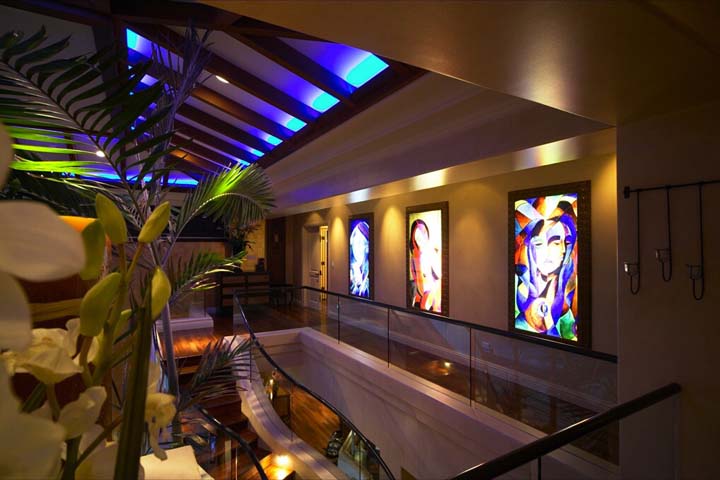
Boy, would I love to spend a week in this house. This house has been spread around the web and email to be Tiger Woods house. It isn't. It is just a luxury rental in Maui. What caught my eye was their use of three large framed Duratrans displays for artwork at the top of the stairs. It shows the dynamic versatility of the material.

If you want to get some great ideas on what the Duratrans can be used for or you just want to dream of a luxurious island get-a-way check out this site: Maui Vacation Palace

Wednesday, August 30, 2006

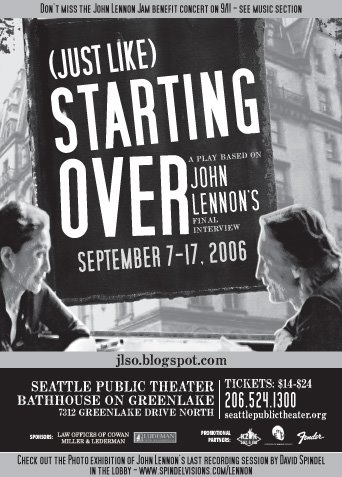
(Just Like) Starting Over


David Spindel's images of John Lennon's last recording session will be on display in a Seattle production of a play based on John Lennon's life opening on September 7th. Congrats, David! To own one of these amazing images yourself check out David's gallery.

Tuesday, August 29, 2006

Mighty Imaging and the PHOTOtool


Aaaah... a marriage made in, well, you know. Mighty Imaging has a great plan for helping photographers sell more images... let photographers show their images on the MI site, and offer excellant printing and lightning fast delivery for designers, art buyers and consumers world wide.
But finding a web solution was more than a bit daunting. After searching a bunch of solutions, MI finally settled on the PHOTOtool for the favorites/shopping cart functionality. Initially the PHOTOtool was unable to achieve the functionality that was necessary for this multiple photographer site. Daniel altered a couple of areas in the code and it is working fine now. You can see it in action on the site now. Check out the gallery feature and find an image to print for your wall.
(Full disclosure: While I blog here at Mightyimages, I am also an owner of the PHOTOtool. We had originally thought that the PHOTOtool would not be a good match for MI, but in the end, with a bit of customization, it seems to work well.)

Monday, August 28, 2006

Photo Puzzle Art


This could be a fun photo project. Why stop at an 11x14 size, why not 20x30? Or as long as your arms will reach.

Decorating : Photography : Photo Puzzle Art : Home
Photographer Betsy Wynkoop shows host Renai Ellison a creative technique for displaying photography in a very personal way (see photo at right).

Thursday, August 24, 2006

File Sharing Roundup

Photographers have large files. Clients need to get those files. There is always a search on for the most efficient ways to get image files to clients, especially large files. File sharing may answer that problem. Trusted networks and user-defined security make yesterday's "napster-like" file sharing into a very powerful tool for photographers and their clients.
Techcrunch » Blog Archive » Let’s Share Some Files - Four Services Compared: "File sharing has long been a popular use of the Internet. I remember sitting at my laptop and asking a friend to name a song, and then seeing if I could download it off of Napster and play it before he could find the cd on the shelf, put it into the player and play the song himself. I often won those competitions.

The old Napster is long gone, but was of course replaced with many other P2P networks. Today, a significant portion of Internet traffic is comprised of files being moved over bittorent, a popular and completely decentralized way of sharing files."

Wednesday, August 23, 2006

Photoshop Tutorial Movie


Over at my workshop site, I have posted a fun little movie on making a portrait look like it was shot on a view camera with a lot of tilt action. Enjoy.
"I Just call this freeform."
"This is just a fun little movie. I have no preconceived ideas going into it and it works out well with a very interesting portrait reminiscent of a view camera, tinted photo. Follow along for fun."

Tuesday, August 22, 2006

Jim Cowlin's Road Trip


Arizona photographer (and Mighty Imaging artist) Jim Cowlin has been photographing Route 89 for many years. He is using the web to help him finish the project. Check it out and become a member of his project. Jims images can be seen at the Mighty Imaging site and his website.
US Route 89 Appreciation Society: "US Route 89 from Desert to Glacier: A Photographic Exploration of the Geography, History & Culture Along the West’s Most Western Highway

Photographer James Cowlin has begun work on a traveling exhibition and large-format book of photographs of the landscapes along US Route 89. A traveler’s field guide is also planned that will connect the geography and history of the West to places along the road. The project is scheduled for completion by the fall of 2009."
Don will be interviewing Jim about this new project soon and we will carry some of that interview here. Coming soon.

Monday, August 21, 2006

Skin Tones

Skin tones can be a challenge. Here's a couple of articles to simplify the task of making people look less alien-like.
Photoshop Color Skin Tones Tutorial
For those interested in coloring graphically upon the computer, painting, pastels, colored pencils, markers, and any other coloring tool, skin tones are necessary part of human color. The worl is full of variety in color, including the human skin. I look around, and I see many people getting the skincolors wrong. It can be too yelow, too pink, or just not the right color. Getting a realistic skintone can be a really tricky business, but, there is an easy solution to this delimma. I created this tutorial for Photoshop on Photoshop 7. I'm not sure what else will be compatable before Photoshop 7, or other products, but I would think that the steps would be similar.
Here's another short tutorial.

Sunday, August 20, 2006

A sunday 'Sharpening' roundup

Big images call for close attention to sharpening. Here are some different views on a subject that ae
Sharpening with Unsharp Mask: "Sharpening filters emphasize the edges in the image, or the differences between adjacent light and dark sample points in an image. The generic Sharpen or Sharpen More filters are often for graphics, and are less suitable for color photographic images. However, filters do vary, the name 'Sharpen' is vague and is not always very descriptive, it is hard to say what they do. But the UnSharp Mask is where the action is for photographs, the standard tool. It offers the necessary greater control."
Here's a nice technical discussion...
Basically, the script works on smaller photos 70mb tiffs but throws up errors when trying to open them when used with larger photos (400mb-470mb). I have tried limiting the script to 8 bits per channel to ease the processing as well as limiting the memory to 5gb (3gb ram 2.5gb swap space). I am using a 2.6.14-2-k7-smp kernel and using debian & imagemagick 6.2.4 which is Q16 (memory has been memtested)
Here is yet another view... at Imaging Resource
In many of the articles on this site, we covered a number of ways to improve your photos digitally, including adjusting tonal balance, and "cloning out" distracting image elements. This time, we're going to drop down to a less obvious level, and deal with the much-maligned and misunderstood technique of image sharpening.
I say "maligned and misunderstood" because many people only use the "sharpening" tools in image editing programs to try to correct for blurry or mis-focused original images. Worse, some manufacturers of low-end editing programs (e.g., Microsoft, with PictureIt) felt that "sharpening" was too technical a term, and so changed it to the more (mis)understandable term "focus." Aarrgghh! (Sorry, I had to get that out of my system.)
And byThom offers this post:
Sharpening is easy to understand at the simplest level—given two digital photos, one sharpened and one not, you’ll always point to sharpened one as having more detail and being “better focused.” Yet, if you were confronted with two sharpened photos, one well done, and the other less so, you might not be able to differentiate between the two.

Unfortunately, most digital photographers have learned sharpening by fixed rules that specify exact values to use in Photoshop's filters, and therefore neither understand why they use the tools they do, or how they might be using them rightly or wrongly. This article attempts to clarify the problems created by digital imaging, and how to apply the correct amount and type of sharpening to fix them.
Now... this looks pretty cool.
Refocus-it was written by Lukas Kunc and the “it” also stands for iteration, because that’s the approach the algorithm (a Hopfield neural network) takes in order to restore image information. Whether or not it’s working is what I’m trying to demonstrate with two test cases: One with an extremely and another with a slightly blurry image. In both cases I tried to enhance the image with an unsharp mask and the refocus-it plugin just as comparison in regard to the plugin’s effectiveness.
I will have to check that out.

Next up - a step-by-step tutorial. Simple, but well stated.
Basic Sharpening
Sharpening is normally the last thing you do before saving a file. There are many ways to sharpen an image in Photoshop. This tutorial describes the main sharpening method using the Photoshop Unsharp mask filter and includes some sample settings and describes when you might use them.
Have a great weekend, and stay sharp!

Friday, August 18, 2006

Panoramic Cameras

Are you considering a wide view for the Fall?
Panoramic camera advice: "A true panoramic camera records an image over more than one film frame, giving an image with elongated proportions. There are many specialist cameras to choose from with this unusual, but very useful, format and below are ones you can consider."
Here is an interesting report on an inexpensive model.

The Russian Horizon 202 is a fully mechanical 35 mm camera with a 28 mm (f2.8-f16) swing lens design covering 120° horizontally and 45° vertically.

Horizon 202, front viewIt is manufactured by KMZ – Krasnogorsky Mekhanichesky Zavod (Krasnogorsk Mechanical Plant) – in Krasnogorsk. KMZ is also known for the Zenit and Zorki cameras and is the largest producer of photographic equipment in Russia and the former Soviet countries.

And for you DIY'ers out there...
Some years back, we published an article showing some panoramic pictures taken with a handmade panoramic camera. We also said that in time we would publish an article on the construction of this camera, but we were putting it off for several reasons, the main one being that building this camera is a demanding task and we wanted to publish some simpler articles first. Nevertheless, many readers continued to write to us asking when this article would be published, pressing us for its publication, reproaching us, even if amiably, because we hadn't done it yet. Well we could delay no longer so here it is. If the fabrication of this camera is too demanding, please forgive us and make note that we have also supplied some simpler methods for making panoramic pictures.
And one more... A decent roundup of articles.
Digital images can be readily stitched to make panoramas. Probably the best software available for this is the free Panorama Tools, and there are several Windows and Mac front ends to make this more user-friendly, including the free Hugin project.

Thursday, August 17, 2006

Wegman's Weimaraners


Do you love dogs? Do you love photography? I know I do. If you are going to be in the nation's capitol before the end of September check out this exhibit of Wegman's infamous weimaraners:
William Wegman-Funney/Strange
07/01/2006 - 09/24/2006
Smithsonian American Art Museum
Family, Young Adult, Adult
William Wegman (b. 1943) is beloved by the public and held in critical esteem by the international art world for his smart, gently subversive humor that parodies all things familiar. "William Wegman—Funney/Strange" is the first in-depth look at the artist in 15 years and examines his work in all media from the 1960s to the present. The exhibition will feature photographs, works on paper, paintings, conceptual work, videos, writings and rare archival materials. Several surprising new bodies of work will be seen in relation to classics, such as the photographs of his weimaraners.

The Reynolds Center - Calendar

Sunday, August 13, 2006

Digital Art - By Nelson Teixeira

Wow... imagine these images at 40x60 in your conference room. Nice work. Would look really cool large.
BubbleShare: Digital Art - By Nelson Teixeira

Saturday, August 12, 2006

It's Hot. Let's go to the mountains...


Weekend travelers going to the high country. Ahhh... But if you can't go, or are stuck at home this weekend, let us travel to the peaks virtually. Here are some fun mountain shots. As always, we think they would look cooler printed really big.

Our first post is a great set of images of the Rocky Mountains. The website isn't very good, but the images are excellent. Enjoy looking around here.
Pictures of Colorado and the Rocky Mountains
Can't even speak about mountain photography without looking at the astounding work of Galen Rowell. Some poeple leave too soon. We miss Galen's incredible eye.
Born in 1940 in Oakland and raised in Berkeley, California, to a college professor and a concert cellist, Galen was introduced to wilderness before he could walk. He began climbing mountains at the age of ten on Sierra Club outings, and at sixteen made his first roped climbs in Yosemite Valley. Over the next fifteen years he logged more than a hundred first ascents of new routes there and in the High Sierra backcountry.
Alex Milne's Mountains are ethereal.
Mountain Photography.net is founded and maintained by me - Alex Milne. I welcome the participation of any photographers who share my passion for the high mountains.
Ok... once you figure out how to work the damn web site, the images are really fine. (I should do a rant sometime on why photographers think they should have some techie looking site... sheesh). Anthony Nielson's work is way better than his site. Take a look....

Aaahhh... a guy, a mountain, a point-and-shoot and, voila, instant cool mountain shots. A good eye helps as well.

Betty Shelton loves the Smoky Mountains. You can see it in her lovely work.

And some food for thought from Travel Quest.
Mountains are by nature photogenic, but it is not always easy to capture their scenic grandeur in a photograph. The first requirement is to use decent equipment – simple point-and-shoot cameras, either using film or digital, can yield good results, but for most purposes,a good quality 35 mm camera with a selection of lenses is necessary.
Some good advice here as well.

Words and pictures Colin Prior

'An image doesn't start with a camera - it ends there.' is a useful maxim borrowed from one of the National Geographic Photographer's Field Guides.

Its simple, concise message serves to remind photographers that it is what lies 'beyond the lens' that should command their attention. Nevertheless. For each assignment it is essential to have the right photographic equipment at hand, together with an understanding of its limitations.

We close for now with some outstanding images from Willie Holdman.

“I had visited this meadow several times and each time offered a different reward. This autumn day had a blanket of gray across the sky. As I reached the crest of the meadow the sun had managed to pierce through the clouds and illuminate a ridge of aspens. Just as I had prepared my camera, another ray of light danced across the top of Mt. Timpanogos. A photograph was taken.”

Friday, August 11, 2006

When do you need permission to photograph someone?

Asked and answered at Digital Photography School.
Asking Permission to Photograph People: "1. I always ask for permission if the person will be the main subject of my photo - I figure that I’m a guest in another country and that I want to behave like I’d expect someone to behave if they were in my home - with respect and friendliness.

2. If a person is a minor subject in a larger photo I don’t seek permission - it’s just not logistically possible to ask everyone on a street if you can photograph them!"

Wednesday, August 09, 2006

Feral Flowers

Hey. you like landscape photography? You like wildflowers? You like desert floors covered with color? Good. We do too. We think they make great statements when printed as wide as possible. Need some inspiration, or just want to see some amazing desert floral images? Here ya go.

Feral Flowers - Desert Wildflowers - Visions of Ephemeral Eden - Landscape Photography: "This rare wildflower landscape portfolio represents a 20-year historical documentation of a phenomenon in the Californian deserts known as 'carpet blooms', the surreal display of flowers on a scale and magnitude unseen anywhere else on Earth. A Force of Nature born from an extreme land of mountains, deserts, faultlines and sporadic seasonal rains, a unique biodiverstiy hotspot listed by Conservation International as endangered.

Most of these landscape vistas so revered by Native Americans and romanticized by early Californian explorers have only appeared once in 20 years of photographing them. Many seasons these inconstant flowers appear in different locations, even after winters of copious rain there may be none at all. The same density or type of wildflowers may never bloom for 25 to 100 years.
"

Photographing Fall Colors

A simple page on tips for shooting autumn colors in the desert.
Desert Gold - Photographing Fall Colors in Utah's Desert from Wild Things Photography: "When one thinks of fall colors, that image conjured up is usually of a location somewhere in the NorthEast US. Nobody really think of the desert. But don't forget that deserts have oases, and those oases can produce some stunning color that rival those of the east."

Tuesday, August 08, 2006

The best of both worlds

This is an older article that just came to my attention. If you love your windows software, but are 'jonesin' for a Mac... check this out. I think this could be very substantial for photographers wanting to take advantage of cool Windows apps like Picasa, while keeping with their legacy Mac software. The key here is you don not have to reboot, like Mac's "Bootcamp" tool.
Run Windows and Mac OS Both at Once - New York Times: "Boot Camp's problem, though, is right there in its name: You have to reboot (restart) the computer every time you switch systems. As a result, you can't copy and paste between Mac and Windows programs. And when you want to run a Windows program, you have to close everything you were working on, shut down the Mac, and restart it in Windows — and then reverse the process when you're done. You lose two or three minutes each way.

NO wonder, then, that last week, the corridors of cyberspace echoed with the sounds of high-fiving when a superior solution came to light. A little company called Parallels has found a way to eliminate all of those drawbacks — and to run Windows XP and Mac OS X simultaneously.

The software is called Parallels Workstation for Mac OS X, although a better name might be No Reboot Camp. It, too, is a free public beta, available for download from parallels.com. You can pre-order the final version for $40, or pay $50 after its release (in a few weeks, says the company)."

This is great for printing web pages

Many times we want to print the information from a page and then sit helplessly watching all the color ink get used up in the banner images, backgrounds and such. This Firefox extension really helps when you need to print something just for the, you know, content. BTW... with two daughters in school, this should help reduce some color ink refills.
Aardvark Firefox Extension: "Clean up unwanted banners and surrounding 'fluff,' especially prior to printing a page"

Horses by Michael Eastman


Gorgeous images here. No text, just 9 images of horses that are astounding. Michael Eastman is a reknown photographer, get to know his work by clicking around here.
R. Duane Reed Gallery - Images for Michael Eastman - Horse Series
Update: More images here.

How to Mount a Print

Simple DIY instructions for matting and presenting images. You may already know most of this, but a little refresher is always a good idea.
Mount a Print: "Photographic prints should be mounted so they can be removed from the mount easily, and cannot contact the glass if they are framed. This is done using a window overmat."

Monday, August 07, 2006

Cloning For Political Advantage

After the news this weekend that a certain Reuters news photographer has been faking images, (besides the example below, there are more of this guys work coming out with captions that are predating the event and more) I can't help but wonder how much we are told is real, well, isn't. Photoshop used as a political weapon can be very powerful, especially when probably 95% of the people that saw the shot never knew that it was eventually exposed and removed... they just remember the phony image. Thanks, Kevin, for this unique thread...
SportsShooter.com - Odd photo from Lebanon...: "->> I know that building plans are often reused in other parts of the world, but if you look at the building that's the apparent source of the plume on the left (as well as the next two buildings to its right) it appears that it's been rubber stamped at least two other times up and to the right. "

Update: Looks like Reuters finally gets it. BTW... this is not a political post, this is a photographer post. This kind of deception simply undermines our profession. I am glad that there is a public outcry and that it is being dealt with.
LONDON, Aug 7 (Reuters) - Reuters withdrew all 920 photographs by a freelance Lebanese photographer from its database on Monday after an urgent review of his work showed he had altered two images from the conflict between Israel and the armed group Hizbollah.

One More Week to Enter...

Hey, Hot Shot!: "On Wednesday September 6, 2006 jen bekman will present the Summer 2006 edition of Hey, Hot Shot! Winners' Showcase, an ongoing series of exhibitions by emerging photographers.

Enter your photography in to the Hey, Hot Shot Summer competition. If you're selected by our panel of experts, you will be:
*featured as one of 10 photographers in the Hey, Hot Shot 2006 Summer Showcase
*represented by jen bekman : in the gallery's inventory and on its website.
*eligible to be one of 4 finalists who show in the Hey, Hot Shot Annual, and be represented by jen bekman through 2007 ."

Wednesday, August 02, 2006

Charles Brooks receives a mighty honor

We love our mighty artists. It is always good to see them get the recognition they deserve.

Charlie Brooks' Havasu Heaven was recognized this month by the Professional Photographers of America as one of their membership's outstanding photographs. The PPA accepted Charlie's print into their 2006 Loan Collection. PPA will exhibit this print along with other Loan Collection recipients' in their world tour exhibit. Additionally, PPA will publish their annual Loan Collection book in December including images from all the recognized photographers. Typically, only 13% of PPA's national membership of photographers achieve Loan Collection acceptance. For Charlie, this is his third. Congratulations!

You can see more of Charles' work and buy his artwork here.

Tuesday, August 01, 2006

Photoshop - the power to create...


...whole new realities. Brian Dilg Photography.
Mouse over the image to see the unretouched original. This image for Bravo's Project Runway involved a lot of changes to the set, replacing the head on the woman at the back, lots of cosmetic skin work that won't be apparent in this little JPEG, and of course plenty of digital flattery. All par for the retouching world these days.
I do plenty of photoshopping as well. This work is very well done.

"I was framed, man..."

We were working with a client on some fabulous nature images and we started looking for a unique way to frame them. We found some cool resources along the way. Thought we would pass them on.

This site features premade small frames and the ability to quote custom for the really large frames we love.... Talk about making a statement!
Custom Barnwood Picture Frames: "Custom barnwood picture frames are no problem because we make all custom frames lovingly and carefully by hand--the same way we make all our picture frames. Included on this page are two custom calculators to assist you in determing our pricing on custom picture frames. Please note that we do not offer glass larger than 12 X 16. This is because it will most likely break in transit. So, if you need a custom picture frame that is larger--like a 10 X 20 frame, or a 18 X 22 frame or even a 5 X 36 size frame--or if you do not require glass, use the 'Custom Picture Frames without Glass' calculator. Otherwise, use the 'Custom Picture Frames with Glass' calculator to determine the price of your custom picture frames including glass. "
This site is an online only store. eFrame.net is your online picture frame outlet. We custom cut your picture frames to any frame size you need. Please compare the many different picture frame styles and colors at e Frame to any other online picture frame store.

There are also wonderful framers in your town. Visit them, pick one that has a good understanding about framing images and then work with them to create your unique frame styles.